


Building a trusted, accessible healthcare network
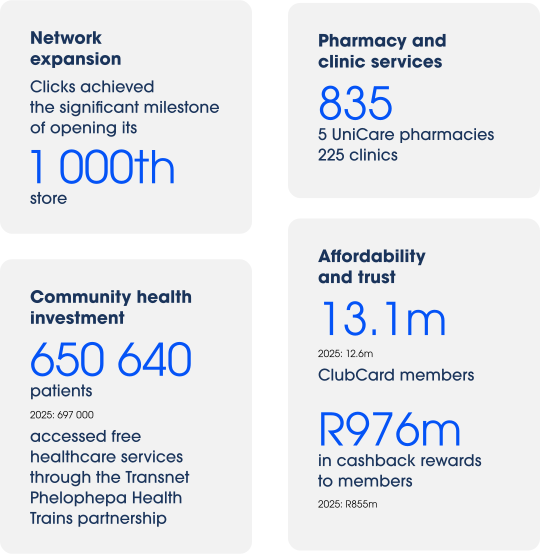 . |
Access to healthcare remains a strategic growth driver for Clicks Group, supported by an integrated healthcare ecosystem that combines its retail, pharmacy, clinic and digital health offerings. Through a focus on affordability, accessibility and convenience, the group continues to expand access to trusted healthcare and wellness services while contributing to improved health outcomes and community well-being.
During the year Clicks reached a significant milestone with the opening of its 1 000th store and continued to expand its pharmacy and clinic footprint, strengthening access to primary healthcare across South Africa. The group’s network of pharmacies, clinics, digital health platforms and medicine distribution channels enables customers to access healthcare services in convenient and trusted locations, including underserved communities. As of 2026, more than half of the South African population lives within a five-kilometre radius of a Clicks store.
The year’s healthcare priorities connected three areas of delivery: access through physical and digital channels, affordability initiatives and customer engagement through the ClubCard loyalty programme. Together, these priorities support customer loyalty, long-term growth and positive social impact.
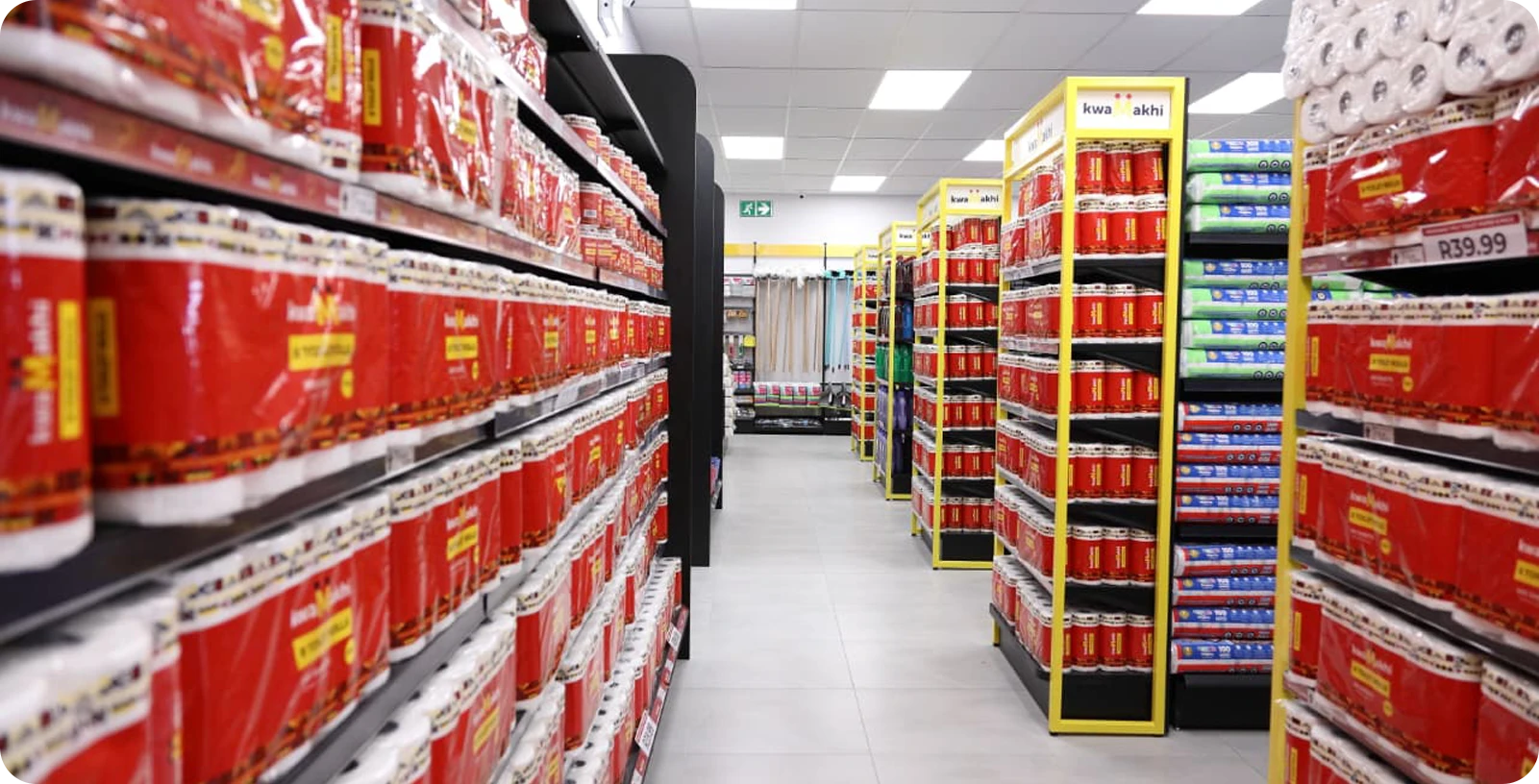
The group continued to invest in preventative and primary healthcare services through its clinic network, digital healthcare solutions and partnerships that improve medicine access and healthcare delivery. The UniCare model, Link Pharmacy network and virtual healthcare services extend the channels through which these services are offered.
Beyond its commercial operations, the group extended healthcare access through targeted CSI programmes focused on healthcare, education and community well-being. Key initiatives included free clinic services for underserved communities, support for the Students on the Go programme, partnerships with the Transnet Phelophepa health trains and funding of community health and well-being projects. These initiatives contribute to improved healthcare access, health awareness and social development in vulnerable communities.
Healthcare affordability remains a central component of the group’s value proposition. Through responsible pricing, private label healthcare products, generic medicines, the Pay Even Less campaign and ClubCard cashback rewards, Clicks continues to help reduce the cost of healthcare and wellness products for millions of customers.
While affordability pressures, regulatory complexity and healthcare access gaps remain key challenges, the group is well positioned to create long-term value through continued investment in pharmacy, clinic and digital health services.
Looking ahead, Clicks will focus on expanding affordable healthcare access, enhancing customer-centred healthcare solutions and strengthening the measurement of healthcare outcomes to demonstrate its contribution to healthier and more resilient communities.
Case Study
KwaMakhi: Advancing access and inclusive growth
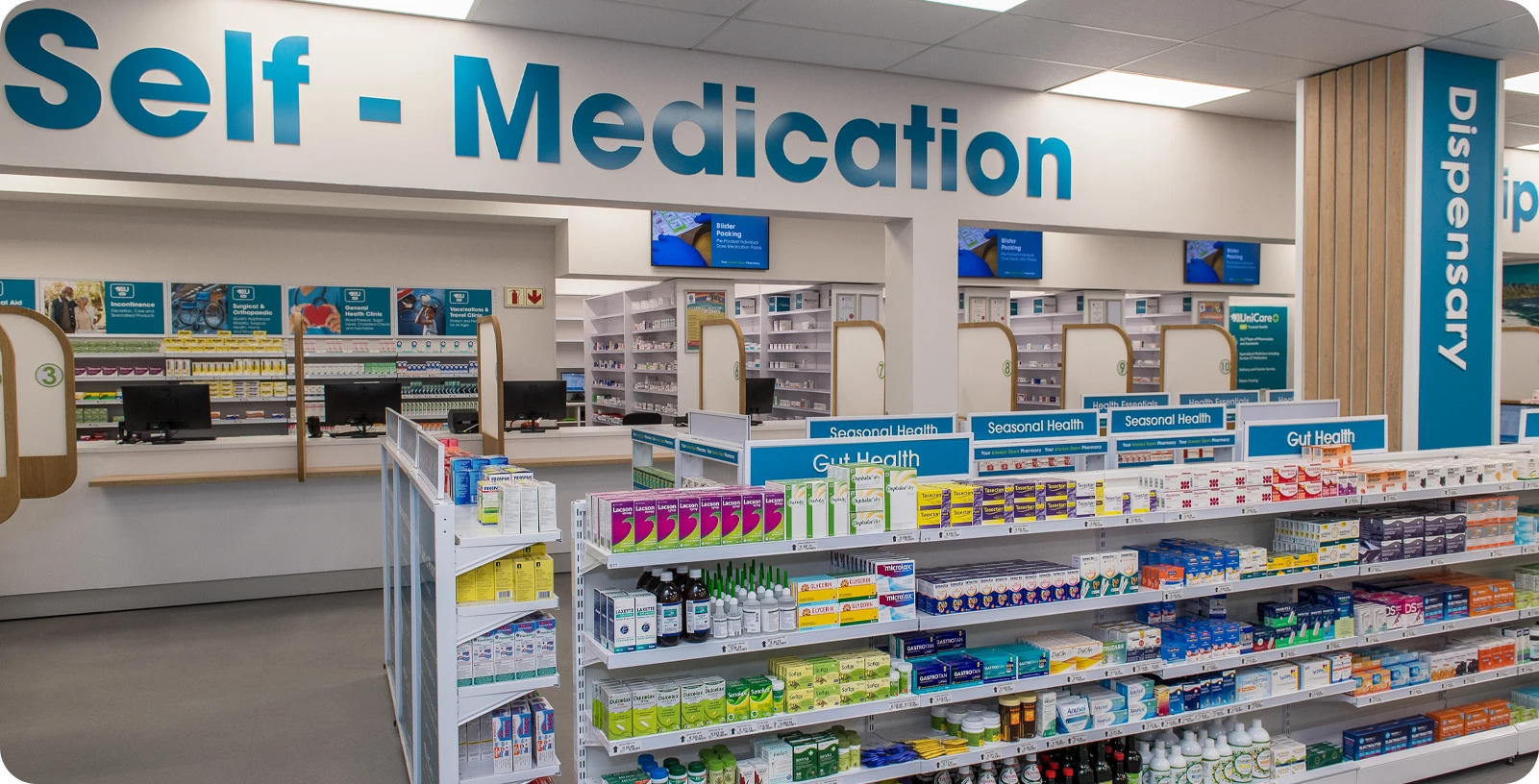
KwaMakhi extends Clicks Group’s access-led growth strategy into communities underserved by formal retail, bringing affordable, quality everyday essentials closer to households. Launched on 27 August 2026 in Tembisa, Gauteng, followed by stores in Khayelitsha and Cravenby in the Western Cape, the neighbourhood format aligns commercial expansion with inclusive economic participation.
Addressing the poverty premium
Lower-income households face a potential poverty premium through higher unit prices, transport costs and limited capacity to purchase economical pack sizes. KwaMakhi addresses these barriers through everyday low prices, neighbourhood locations, and product and pack-size choices aligned with household needs and cash flow constraints.
The approximately 300 m² format, compared with traditional Clicks stores of approximately 550 m2 – 1 500 m², provides flexibility in high-density communities. The range combines private label products and recognised supplier brands across baby care, personal care, beauty, front shop health products, toiletries, cleaning products and household necessities. KwaMakhi operates as a convenience retailer, not a pharmacy or healthcare clinic.
Alignment with sustainability priorities
KwaMakhi supports the strategic intent of Clicks Group’s four sustainability priorities:
- Building a trusted, accessible healthcare network: broadening access to everyday health, hygiene and personal care products, with potential education and referral partnerships.
- Empowering motivated, passionate people: supporting local recruitment, retail skills and career development. Initial public reporting indicates intended staffing of approximately six people per outlet, recruited from surrounding communities.
- Sourcing products that uphold brand integrity: combining quality, affordability and reliable availability, with opportunities to develop qualifying local manufacturers and small suppliers.
- Minimising the environmental footprint: evaluating efficient lighting and distribution, responsible waste management, recyclable packaging and refill solutions. Any environmental benefits remain subject to measurement and verification.
Measuring commercial and community value
The initial ten-store pilot planned for 2026 provides an opportunity to assess sustainable commercial returns alongside independently measurable community outcomes.


Empowering motivated, passionate people
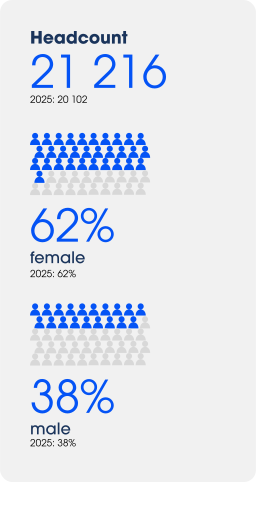 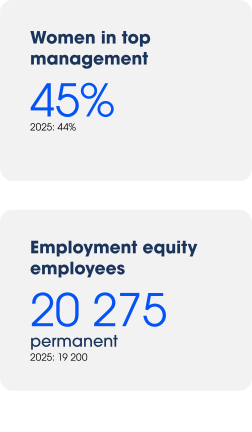  |
Access to opportunities is central to Clicks Group’s people strategy, enabling employees and young professionals
to enter, develop and progress within the organisation. Through skills development, employment equity, inclusive workplace practices and fair remuneration, the group continues to build a diverse, engaged and future-ready workforce that supports long-term business growth and transformation.
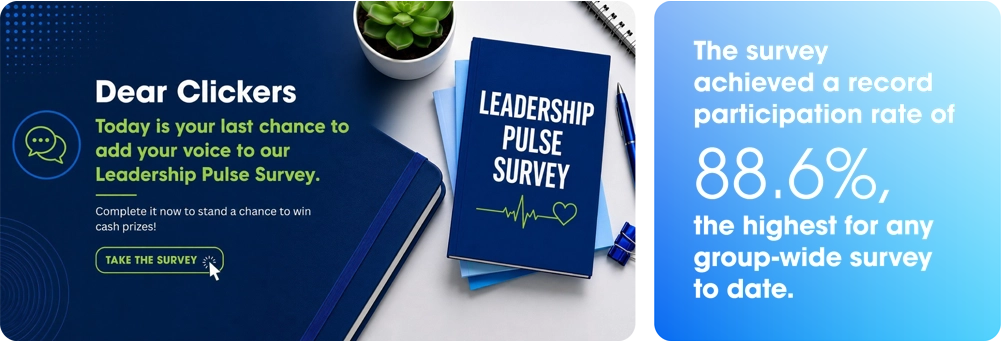
During the year Clicks advanced its transformation and people agenda through a new employment equity plan, remuneration transparency initiatives and the launch of its Group-wide CROP (Care, Results, Order and Purpose) culture framework. Participation in the inaugural Leadership Pulse Survey was 88.6%. Participation measures engagement with the survey process; it does not, on its own, establish the level of employee engagement.
Investment in learning and development continued to create meaningful career pathways across the group. Through bursaries, learnerships, internships, leadership programmes and accredited training, Clicks strengthened its talent pipeline while supporting youth employability, leadership succession and critical healthcare skills development. Programmes such as the Youth Employment Programme, Store Operations Development Programme and pharmacy bursaries help employees and young people gain practical experience, qualifications and long-term career opportunities.
The group remains committed to equitable remuneration and inclusive growth. A 1:1 gender pay ratio for comparable roles was maintained, while ESG-linked remuneration reinforces accountability for sustainability outcomes across the organisation. Employee well-being, health and safety, and leadership development continue to support workforce resilience, productivity and retention.
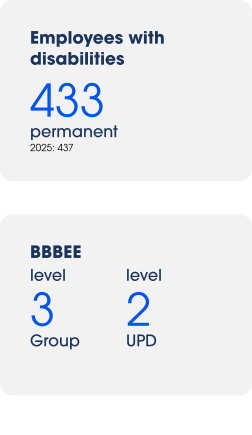
Clicks also contributes to broader economic inclusion through its BBBEE strategy, supplier development initiatives, entrepreneurship programmes and support for women and black-owned businesses. Partnerships with organisations such as Taking Care of Business create opportunities for entrepreneurship, job creation and sustainable economic participation.
Looking ahead, the group will focus on accelerating transformation, strengthening fair-pay practices, expanding career development opportunities and enhancing leadership effectiveness to ensure employees remain empowered to deliver trusted customer service and sustainable long-term value.
View analysis of BBBEE scorecard elements


Sourcing products that uphold the integrity of our brand
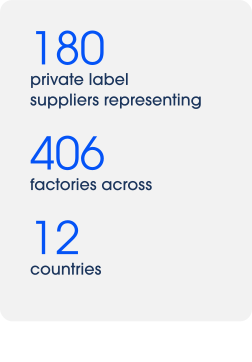   |
Access to trusted products remains the cornerstone of the group’s purpose and customer value proposition. The group is committed to responsible sourcing, product quality and supply chain integrity, ensuring that products are manufactured and supplied in a manner that respects human rights, labour standards, product safety requirements and environmental responsibility.
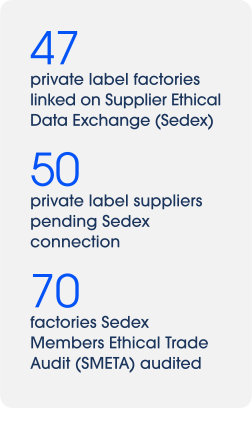
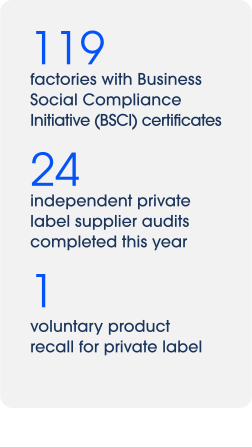
Through its responsible sourcing framework, Supplier Code of Ethics, Human Rights Commitment and Technical Standards of Operation, Clicks works closely with suppliers to strengthen ethical business practices, improve product traceability and enhance supply chain transparency. A risk-based approach to supplier due diligence, including supplier assessments, audits and participation in recognised platforms such as Supplier Sedex, supports the identification and management of social, environmental and governance risks across the value chain.
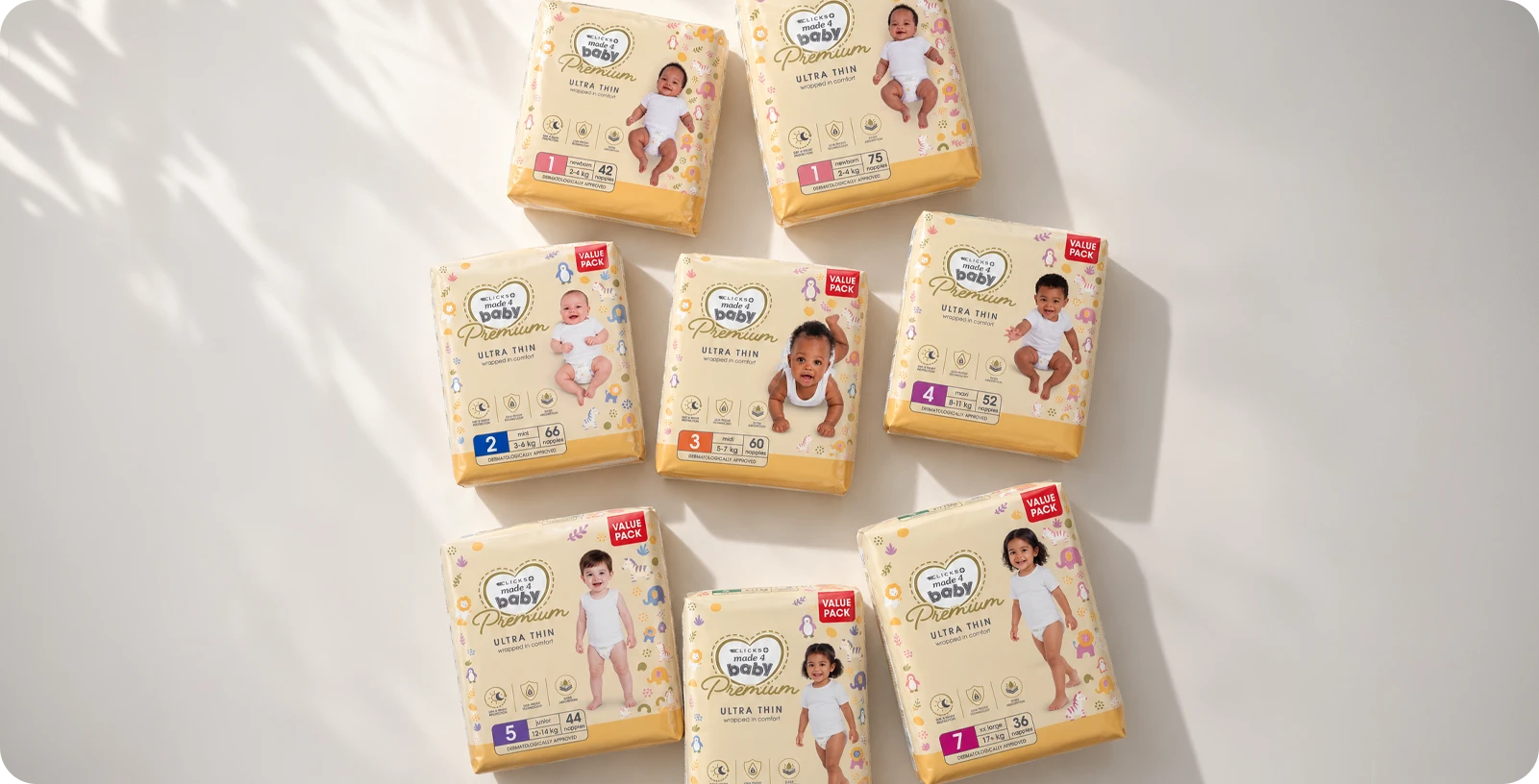
The group continues to expand sustainable product offerings and improve packaging sustainability while supporting local procurement and supplier development. Its private label portfolio provides a significant opportunity to influence product
design, sourcing practices, packaging innovation and sustainability performance, enabling Clicks to offer affordable, trusted and responsibly sourced products to customers.
Product quality, customer safety and regulatory compliance remain key priorities, supported by robust supplier oversight, quality assurance processes and product traceability controls. These measures help protect customer trust, strengthen brand reputation and reduce supply chain risks.
Looking ahead, the group will focus on strengthening supplier ESG performance, enhancing traceability and transparency, expanding sustainable product and packaging solutions, and increasing sourcing from responsible and local suppliers to further reinforce customer trust and supply chain resilience.

Minimising our environmental footprint
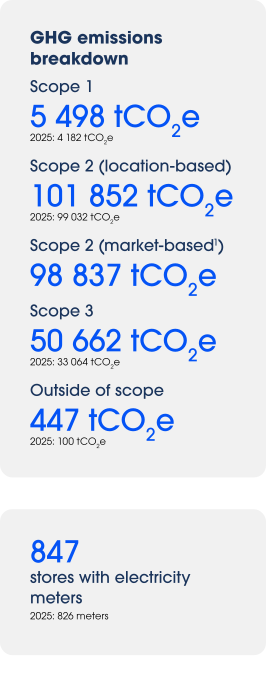 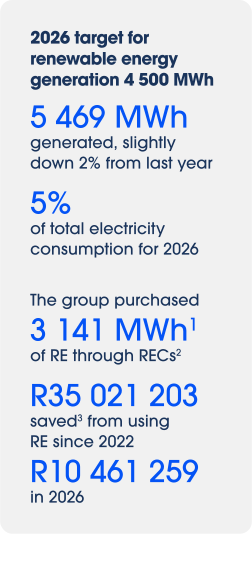  |
1 Clicks purchased RECs for the first time in FY2026. 3 141 MWh 100% RECs from the onshore Msenge Wind Farm project in South Africa were purchased and redeemed. The REC redemption statements were reviewed to confirm compliance with the GHGP Scope 2 Quality Criteria.
2 Renewable Energy Certificates. The group has partnered with Ampli Energy to procure renewable electricity for its distribution centres and head office facilities through a virtual wheeling arrangement.
3 These figures have not been verified by an external party.
Environmental management supports Clicks Group’s long-term business resilience and sustainable value creation by reducing risks, improving operational efficiency and responding to evolving stakeholder expectations. The group’s priorities are climate action, renewable energy, resource efficiency, waste reduction and sustainable logistics, with a focus on lowering its environmental footprint across its operations and value chain.
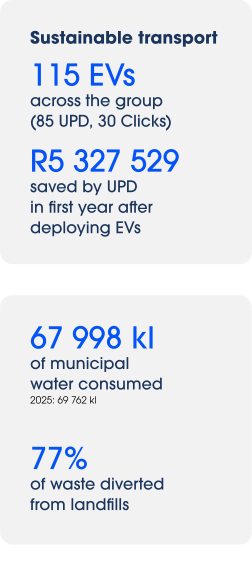
During the year the group continued to advance its carbon neutrality ambition for 2050 through investments in renewable energy, energy efficiency and emissions management. A large part of this focus is strengthening sustainable logistics operations through a comprehensive programme centred on fleet electrification and operational efficiency. Across its distribution centre network, the business is demonstrating how large-scale logistics operations can reduce environmental impacts while improving operational resilience and efficiency.
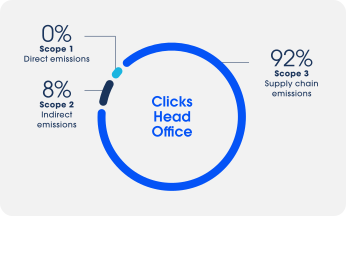
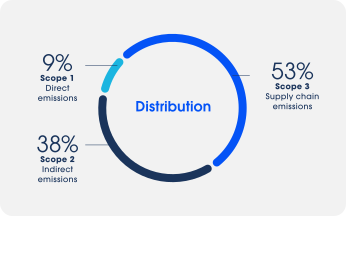
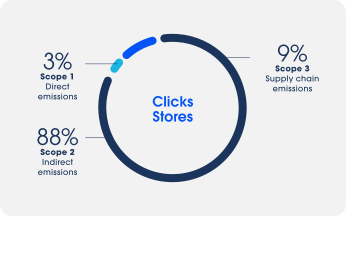
This year, the group expanded its carbon footprint calculations. Scope 2 emissions were calculated using both location-based and market-based methodologies, with the latter reflecting the group’s procurement of RECs. The increase in Scope 3 emissions is attributed to the inclusion of accommodation-related emissions for business travel, the inclusion of well-to-tank emissions and a revised employee commuting assessment. These changes in coverage and methodology affect comparability with the previous year.
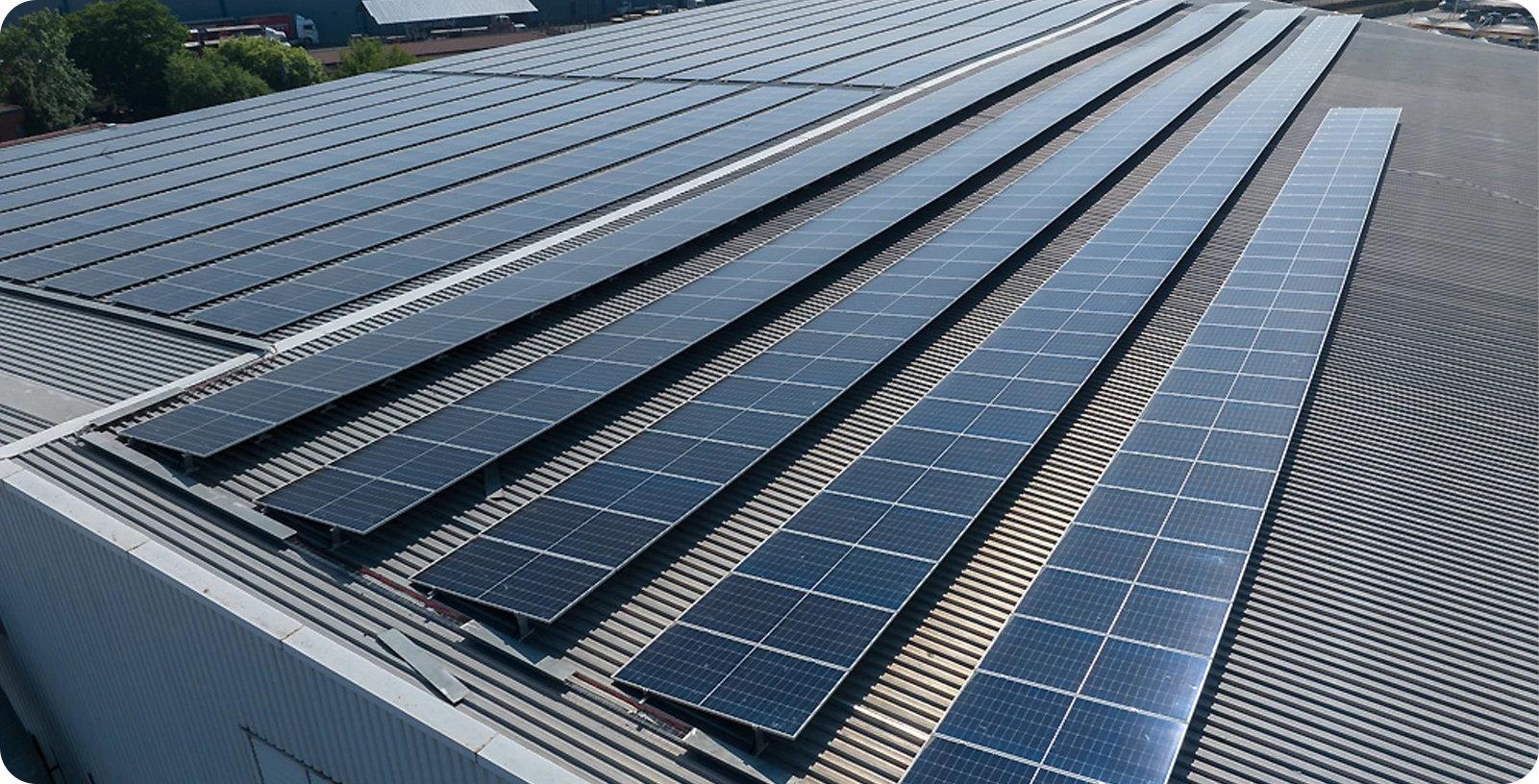
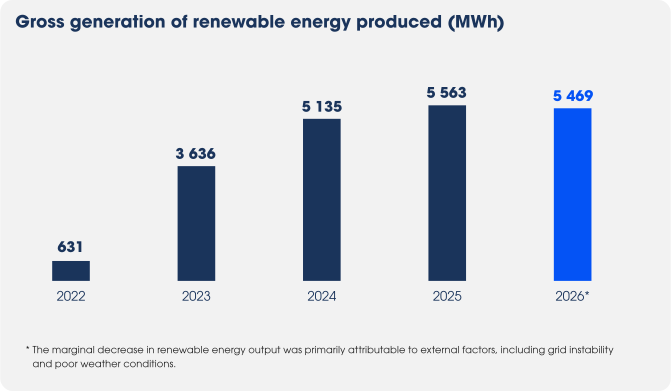
The group improved its GHG accounting and environmental data quality, including its coverage of Scope 3 emissions, to support climate governance and disclosure. Renewable energy generation, virtual wheeling arrangements and fleet electrification initiatives contributed to the group’s decarbonisation efforts and reduced reliance on carbon-intensive energy sources.
Absolute emissions by company (% breakdown)
   |
The group also made progress in embedding circular economy principles across its operations through sustainable packaging initiatives, participation in the South African Plastics Pact, waste reduction programmes and recycling initiatives. Water efficiency remains a priority, supported by investments in rainwater harvesting, alternative water sources, water-efficiency technologies and improved monitoring systems to strengthen water resilience in a water-stressed environment.
Recognising that many climate, water and biodiversity impacts occur within the value chain, Clicks continues to engage suppliers and partners to improve environmental performance, strengthen responsible sourcing and enhance visibility of Scope 3 impacts. Biodiversity and nature-related considerations are increasingly being integrated into procurement, packaging and sustainability decision-making following the group’s biodiversity readiness assessment.
Looking ahead, Clicks will focus on accelerating renewable energy adoption, reducing emissions intensity, improving resource efficiency, strengthening climate and nature-related disclosures, and enhancing supply chain resilience. These initiatives support the group’s ambition to build a lower-carbon, more resource-efficient and resilient business while creating long-term value for stakeholders.
Case Study
Charging ahead with low-carbon logistics
Clicks Group is reducing logistics emissions through heavy-duty electric trucks powered by solar photovoltaic (PV) energy, battery storage and charging infrastructure. In 2026 the group deployed 30 SANY electric trucks at its Cape Town and Centurion distribution centres, with Cape Town becoming Africa’s first retail distribution centre with a fully electric truck fleet by the end of October 2026.
The transition supports Clicks’ 2050 carbon neutrality ambition, reduces exposure to diesel price volatility and is expected to improve life cycle operating costs over time.
Value created
- Expected annual avoidance of approximately 780 000 litres of diesel and 2 000 tonnes of tailpipe CO₂ emissions.
- R65 million+ invested in solar PV, battery storage and charging infrastructure to enable lower-carbon logistics.
- Lower fuel and maintenance costs are expected to improve life cycle economics, including estimated maintenance savings of R2 – R3 million.
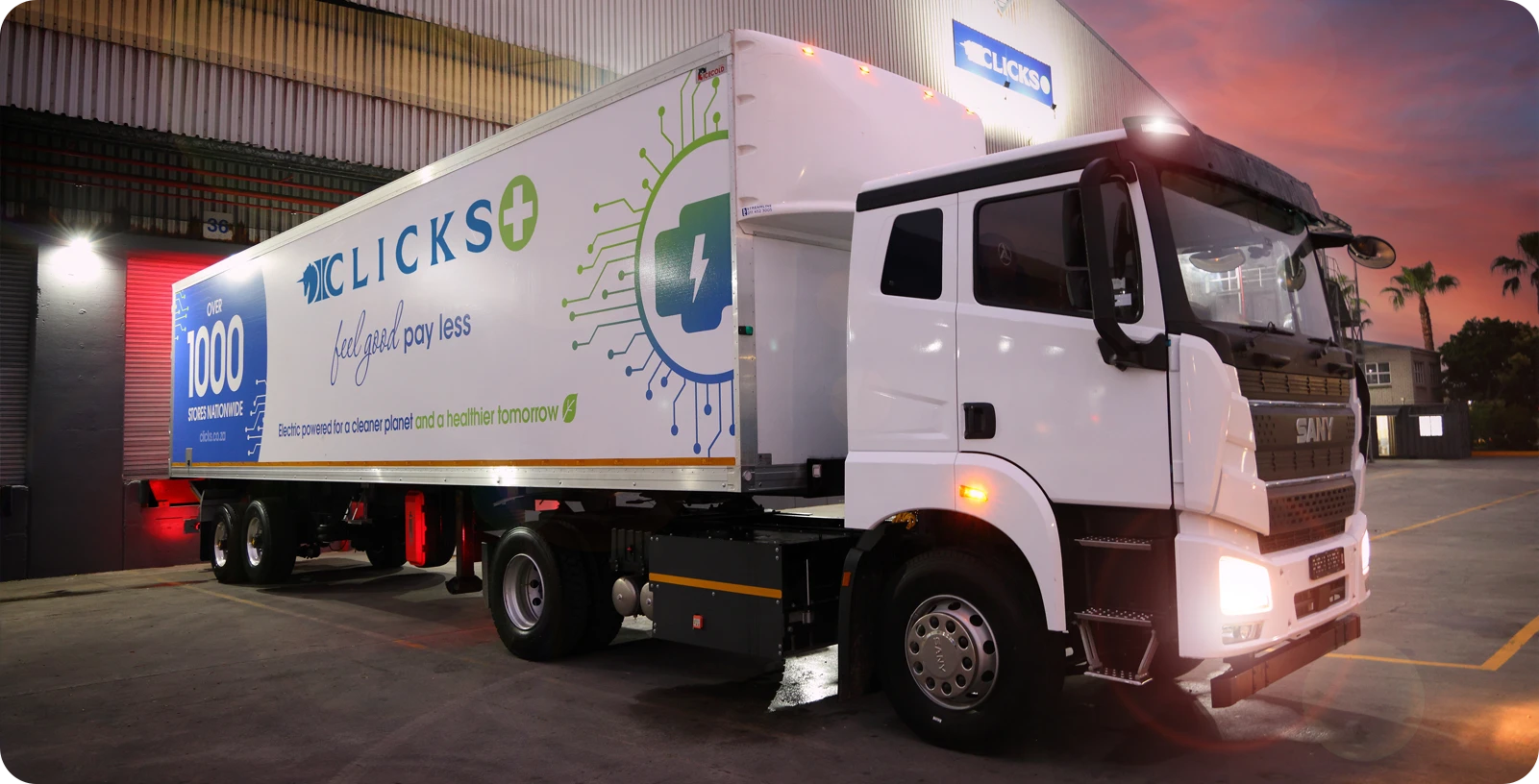
Each truck has an 11.5-tonne payload and a 380 – 400 km range per charge, supporting reliable distribution while lowering tailpipe emissions. Although the shift requires higher upfront investment, Clicks expects lower fuel and maintenance costs, reduced exposure to diesel price volatility and improved long-term operational and systems resilience.
The rollout will be scaled using a disciplined blueprint from Montague Gardens, aligning fleet deployment with renewable energy readiness, charging infrastructure, route performance and service-level thresholds. KwaZulu-Natal is targeted by September 2027, with the group aiming for more than 90% of its truck fleet to operate on electric power by September 2028.